
AI Quiz Generator: Turn PDFs, Videos and Docs into Tests
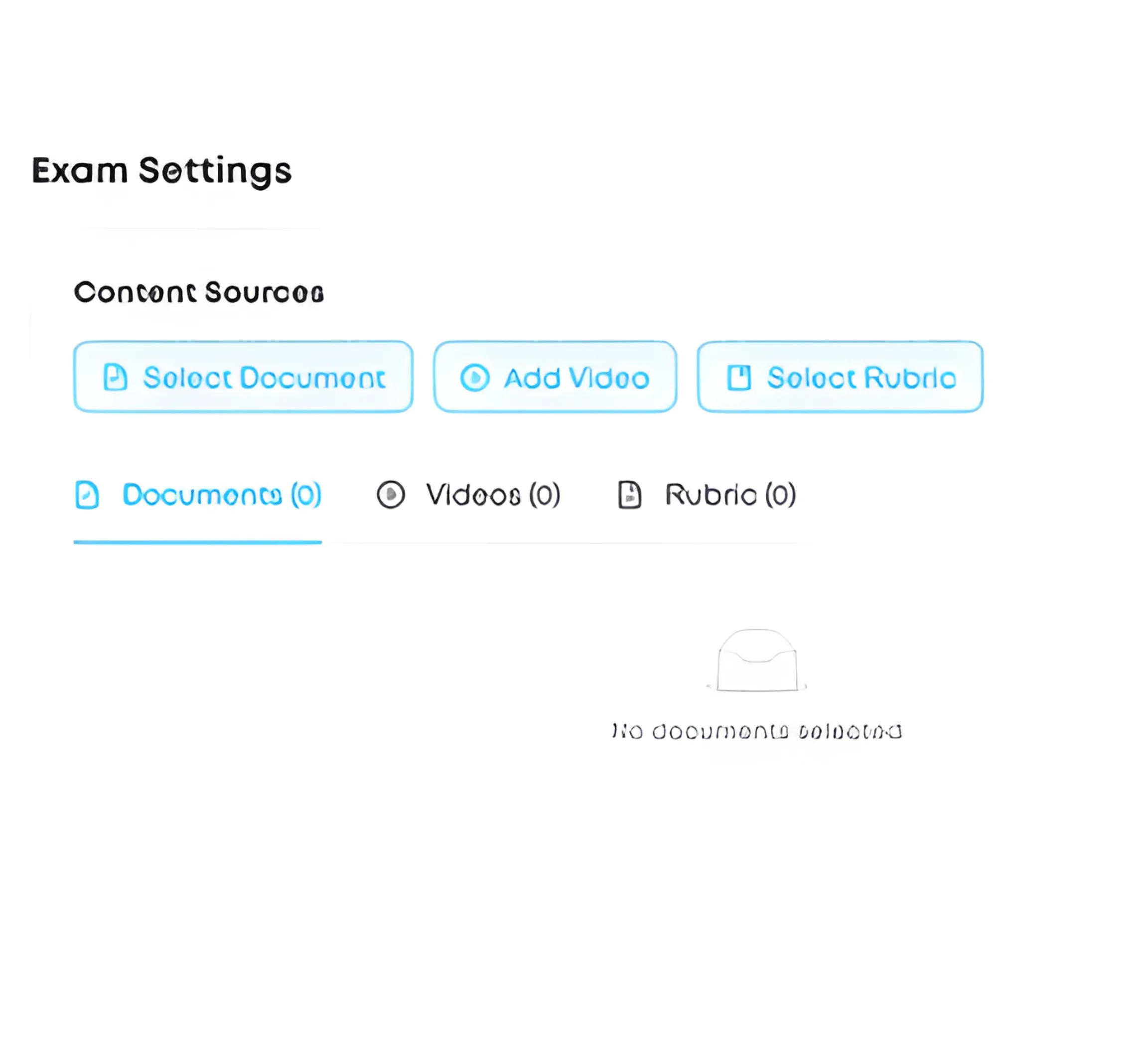
Writing good questions is slow. A single well-designed 20-question assessment can take hours to draft, review and balance. An AI quiz generator compresses that into minutes by reading your source material and drafting questions for you.
But not all AI quiz generators are equal. Some produce trivia. Others produce assessments you can actually stand behind.
How an AI quiz generator works
- Ingest: upload a PDF, Word document, slide deck, MP3, video, webinar recording, URL or YouTube link.
- Understand: the AI extracts key concepts, facts and relationships — for video, from the narration itself.
- Generate: it drafts questions aligned to your objectives, difficulty level and question types.
- Review: you edit, delete or add questions before publishing.
What separates a real assessment tool from a quiz toy
Depth, not just recall
Look for questions across Bloom's taxonomy levels. If every question is "what is X," you're only testing memory.
Rubric alignment
The best generators let you upload a rubric so questions and grading match your marking criteria.
An unlimited question bank
Generating fresh questions on demand means every learner can get a unique exam at the same difficulty — a big win for integrity.
Automatic grading for every format
Single-choice and multiple-choice are easy. Essay grading against a rubric is where real time savings live.
Proctoring and analytics built in
A quiz is only the start. You need integrity checks, scoring you can trust and dashboards that show where learners struggle.
Who uses AI quiz generators
- Educators turning chapters and lectures into checks for understanding.
- L&D teams converting onboarding and compliance content into assessments.
- Publishers turning books into certification exams.
- Recruiters generating skills tests from job descriptions.
Tips for better AI-generated quizzes
- Feed it clean, focused source material — one topic per upload.
- Set the learning objective first, then generate.
- Always review before publishing; AI drafts, humans approve.
- Mix question types and cognitive levels.
Quizitive does all of this in one platform — explore the features or see how educators use it.
Written by
See what verified skills data looks like at scale.
Download the full report:
Beyond the Job Title — The Rise of the Skills-First Organization
FAQ's
An AI quiz generator reads source material such as PDFs, videos, slides or web pages and automatically drafts quiz or exam questions that you can review and publish.
Yes. Upload the PDF and the AI extracts key concepts and generates questions aligned to your chosen difficulty and question types.
Yes. Advanced tools analyze the narration and content of live or recorded videos, including YouTube links and webinars, to generate assessments.
They are a strong first draft. Best practice is to review and edit questions before publishing, especially for high-stakes assessments.
Yes. Some platforms, including Quizitive, grade essay responses against a rubric you provide, saving significant marking time.